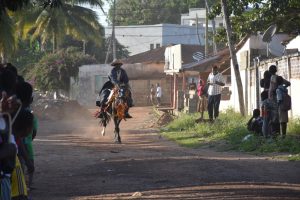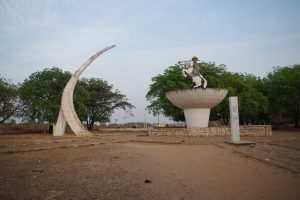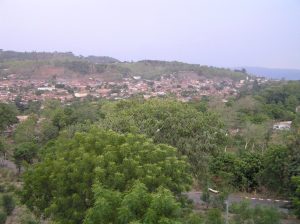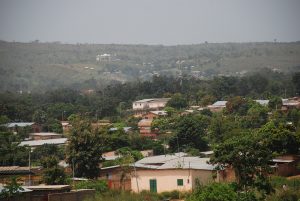
Ouidah is a coastal town in Benin, located 42 kilometers west of Cotonou. Its name resonates with a deeply significant history: that of the Slave Route. More than just a tourist destination, Ouidah offers a moving and educational journey—a pilgrimage of remembrance tracing a past that helped shape the world. Let yourself be guided through this memorial site, where every step is a tribute and every monument a lesson.
The City of Ouidah: A Crossroads of Histories
Once part of the powerful Kingdom of Dahomey and one of the main slave ports on the Gulf of Guinea, Ouidah represents an essential chapter in world history. Known as the “City of Kpassè,” this historic town was the departure point for millions of Africans forcibly sent to the Americas. Today, Ouidah strives to keep the memory of these tragic events alive, while showcasing its unique cultural and spiritual richness.
The Slave Route: A Path of Remembrance
The Slave Route in Ouidah is marked by powerful monuments and historical sites. Each stop tells part of the unspeakable suffering endured by the captives:
- Chacha Square: The starting point of the route, where slave auctions were held—marking the beginning of a long ordeal.
- The Tree of Forgetfulness (Djêkê): A symbolic site where men and women were forced to circle an ancient tree in a cruel attempt to forget their identity and origins. It stands as a haunting symbol of dehumanization.
- The House of Slaves (Ouidah History Museum): A former Portuguese fortress turned museum that houses artifacts and documents related to the slave trade. A place of deep learning and reflection.
- Zoungbodji (The Tomb of the Unknown): A mass grave where those who died under inhumane conditions before boarding were buried. It is a poignant memorial.
- The Door of No Return: The final contact with African soil. This monumental arch on the beach of Ouidah symbolizes the point of no return for the millions of deported individuals. It stands as a powerful symbol of pain—but also of hope for the survivors and their descendants.
Walking the Slave Route is not only about feeling the sorrow of the past; it’s also about honoring the strength and resilience of the human spirit.
The Cultural Richness of Ouidah
Ouidah is more than its history. It is also a vibrant cultural and spiritual center, home to the Vodoun religion. Visitors also have the opportunity to explore:
- The Temple of Pythons: A sacred place where pythons—considered divine—are revered. A unique and fascinating experience.
- The Sacred Forest of Kpassè: A mystical space filled with sacred trees and sculptures representing Vodoun deities. A perfect place for reflection and connection with spiritual traditions.
- Local Craftsmanship: Discover Beninese handicrafts, rich in color and symbolism—perfect for bringing home authentic souvenirs.
Ouidah is more than a destination; it’s an invitation to remember, to understand, and to honor.
By walking the Slave Route, you pay tribute to a past that must never be forgotten, while also discovering the richness and vitality of ancestral African culture. A journey that touches the soul and leaves a lasting impact.