Ghana is one of Africa’s richest countries in terms of history and culture. From its past as the Gold Coast—a key destination and trading hub in the region—Ghana has preserved the remnants of a time that was both glorious and deeply tragic. The coastal towns of Cape Coast and Elmina, located along the central shoreline, are historical and cultural gems built across a 300-kilometer stretch of fortresses, attracting thousands of visitors each year. More than just tourist destinations, these poignant sites offer a profound immersion into Ghana’s complex past.
Echoes of the Past: Traces of the Transatlantic Slave Trade
The main attraction of Cape Coast and Elmina lies in their imposing fortresses, silent witnesses to one of the darkest periods in human history: the transatlantic slave trade. Cape Coast Castle and St. George’s Castle in Elmina (commonly referred to as Elmina Castle) are both UNESCO World Heritage Sites and serve as pilgrimage destinations, particularly for members of the African diaspora.
Elmina Castle, built by the Portuguese in 1482, is the oldest surviving European building in sub-Saharan Africa. Its massive walls speak of centuries of trade, but also of immense suffering. The dark dungeons and the infamous “Door of No Return” offer a heart-wrenching experience, reminding visitors of the millions of Africans who passed through before being shipped to the Americas. A guided tour is essential to grasp the gravity of these events and to feel the powerful emotions that permeate these historic walls.
Just a few kilometers away, Cape Coast Castle—originally built by the Swedes and later taken over by the British—shares a similar story. Though constructed later, it played an equally central role in the slave trade. Its interior exhibitions and the powerful narratives shared by local guides offer a deep awareness of the impact slavery has had on the African continent and the world. These historical sites are not merely monuments; they are living memorials.
Beyond History: Coastal Charm and Local Life
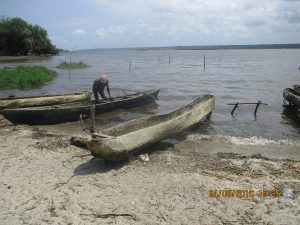
Beyond their somber past, Cape Coast and Elmina also showcase a vibrant and attractive side. The natural beauty of Ghana’s coastline is undeniable here. Sandy beaches lined with palm trees invite relaxation and reflection. The colorful fishing villages, with their traditional canoes and bustling markets, provide an authentic glimpse into daily Ghanaian life.
In Elmina, the fishing port is a spectacle in itself. Watching the boats arrive loaded with fresh fish and the flurry of trading activity brings the town to life. Fresh seafood can be enjoyed in small local restaurants, offering an essential culinary experience.
For those eager to explore further, Kakum National Park—famous for its canopy walkway high above the forest floor—is just a short drive away. This adds a touch of adventure and nature to a historically rich visit.
Visiting Cape Coast and Elmina is a journey through time and memory. It’s a moment of connection to a shared history, a tribute to the ancestors, and a step toward understanding the scars that remain. But it’s also an encounter with the resilience and vitality of a people. Whether you’re passionate about history, seeking meaningful experiences, or simply curious to discover, these coastal towns of Ghana are a truly unmissable destination.