Benin, formerly known as Dahomey, is one of the smallest countries in West Africa. Despite its modest size, this nation is far from ordinary. It is the cradle of a complex and often misunderstood religion and philosophy: Vodoun. This faith is an ancestral cultural treasure, a way of life deeply rooted in the soul of the kingdom. Prepare for a fascinating immersion into a world where the sacred and the everyday blend in perfect harmony.
Vodoun: More Than a Religion, a Worldview
Vodoun in Benin is first and foremost a polytheistic religion—a positive force that guides the lives of millions of Beninese people. The word “Vodoun” itself means “spirit” or “deity” in the Fon language. It encompasses a pantheon of divinities, each with specific attributes and functions. From Hêviosso (god of thunder and justice) to Sakpata (god of the earth), and Mami Wata (goddess of the waters), these entities are honored through dedicated Vodoun ceremonies and offerings.
Vodoun is intrinsically connected to nature and ancestors. It acknowledges the existence of a supreme creative force, Mahou, who is beyond direct human contact. The Vodoun deities serve as intermediaries, guardians of the balance between the visible and invisible worlds. Thus, Vodoun beliefs emphasize harmony between humans, nature, and spirits, underscoring the values of respect, gratitude, and community.
Vodoun Rituals: A Sensory and Spiritual Journey
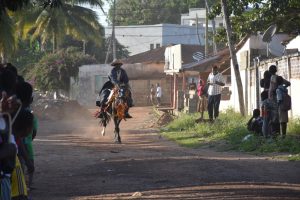
Attending a Vodoun ritual is an unforgettable experience—an open doorway to an intense spiritual dimension. These ceremonies, often accompanied by hypnotic drumming, invocative chants, and ritual dances, create moments of deep communion. Devotees, dressed in colorful pagnes, sometimes enter trance states, allowing the deities to manifest through them.
Vodoun rituals vary depending on the honored deity or the ceremony’s purpose (healing, protection, fertility, harvest celebration). They may include offerings (food, drinks, symbolic animals), libations, prayers, and divinations through the fa, whose interpretations are delivered by priests. It is a living, vibrant demonstration of faith that captivates all the senses.
Exploring Vodoun Culture with Respect
Benin offers a unique opportunity to explore this captivating culture. For tourists wishing to discover Vodoun in its authenticity, several key sites are essential:
- Ouidah: This historic town is a central hub of Vodoun. Visit the Temple of the Pythons, where sacred snakes are revered.
- Abomey: Former capital of the Dahomey Kingdom, Abomey houses the Royal Palaces—UNESCO World Heritage Sites—where Vodoun was practiced by kings.
- Ganvié: Known as the “Venice of Africa,” this stilt village is also a place where water-related Vodoun traditions thrive.
On January 10, Benin celebrates Vodoun Day, a national holiday when followers from across the country gather to honor their deities. It’s an extraordinary opportunity to witness vibrant expressions of Beninese culture.
Tips for a Respectful Visit
When exploring Vodoun practices, it’s crucial to approach with respect and openness. Always ask permission before taking photos, especially during rituals. Engage with locals, ask questions, and be guided by experienced local guides who can offer insights into this complex and enriching faith.
Vodoun is not a spectacle, but an integral part of Beninese identity. This religion has spread over the centuries across Africa and beyond, remaining deeply connected to humanity. By approaching it with a curious and respectful spirit, you’ll experience an authentic and transformative cultural adventure—far beyond anything you could have imagined. The heart of Benin awaits you.