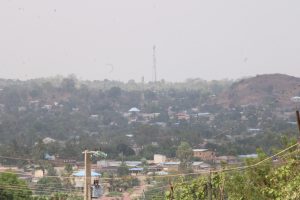
In the global landscape of architectural treasures in 2026, the study of eco-designed vernacular habitats is generating growing enthusiasm among specialists and responsible travelers alike. At the heart of this rich heritage, traditional architecture and Tata Somba in Benin stands out as one of the most spectacular demonstrations of human ingenuity in harmony with its natural environment. For architects, historians, and lovers of authentic cultures, understanding the structure, function, and symbolic scope of these earth castles is an essential step to grasping the spirit of northern Benin. Through this comprehensive guide, we invite you to explore the Atakora mountain range region, where earth, wood, and straw have come together for centuries to create family fortresses unique in the world.
1. Conceptual Foundations of Traditional Architecture and Tata Somba in Benin
The fundamental principle governing traditional architecture and Tata Somba in Benin relies on a seamless symbiosis of defensive functionality, climatic adaptation, and spirituality. Built by the Otammari (or Batammariba) people, the Tata are not mere houses: they are two-story fortified structures originally designed to protect families against invasions and wild animals. In Otammari cosmogony, a house is likened to a living organism possessing a soul, a gender, and vital points. Discovering traditional architecture and Tata Somba in Benin thus means apprehending a building art where every structural element carries sacred and social significance.
2. Structure of the Tata: A Vernacular Engineering Masterpiece
The technical realization of traditional architecture and Tata Somba in Benin surprises visitors with its rigorous spatial organization. Built entirely by hand using a mixture of clay soil, chopped straw, and cow dung (serving as a binder and waterproofing agent), the Tata consists of several turrets linked by an enclosure wall. The dark, cool ground floor is reserved for housing livestock at night and family religious altars. The upper floor, accessible via wooden ladders carved from tree trunks, accommodates the grain-drying terrace, turreted granaries, and naturally ventilated sleeping quarters.
3. Bioclimatic Insulation: The Ancestor of Sustainable Construction
From an environmental standpoint, traditional architecture and Tata Somba in Benin serves as a major benchmark in passive bioclimatic design. The thick sun-baked earth walls provide excellent thermal inertia, maintaining a pleasant coolness indoors during the hottest hours of the day and releasing stored heat during cool harmattan nights. This mastery of local materials resonates directly with the principles of traditional gastronomy of Benin and sustainable tourism circuits in Benin, advocating for low-carbon, territorial resource promotion.
4. Spiritual Dimension and Otammari Altars
Beyond its function as a dwelling, traditional architecture and Tata Somba in Benin serves as a family religious sanctuary. The main entrance of the Tata is systematically flanked by earth altars, called Boukoutou, which house ancestor spirits and protective deities of the compound. Similar to the rituals surrounding sacred culture in Benin, offerings of millet flour or poultry blood are placed there to ensure crop fertility and the health of the inhabitants. Knocking on the door of a Tata requires observing strict etiquette protocols to respect the invisible guardians of the home.
5. Conservation Challenges and Loss of Building Mastery
There is a major heritage and sociological challenge regarding traditional architecture and Tata Somba in Benin: the gradual scarcity of traditional master masons and the temptation among younger generations to opt for modern materials such as concrete blocks and corrugated iron. While these materials bring a perception of modernity, they alter the cultural landscape and offer far inferior thermal comfort. This is why structured apprenticeship programs and digitalization projects, inspired by the digitalization of art and crafts in Benin, are being implemented to document Tata geometry and train youth in raw earth masonry techniques.
6. UNESCO Recognition and the Influence of Koutammakou
The outstanding universal value represented by traditional architecture and Tata Somba in Benin was consecrated by UNESCO through the inscription of the Koutammakou cultural landscape. This global recognition attracts architecture enthusiasts from all corners of the globe. Guided tours, managed by local associations of Otammari guides, ensure fair tourism where entrance fees directly fund the annual maintenance of the Tata (notably periodic plastering essential after the rainy season) and support village economies.
7. Homestays and Vernacular Ecolodge Experiences
For travelers seeking a total immersion experience, discovering traditional architecture and Tata Somba in Benin offers unique overnight stays on Tata terraces or within ecolodges designed using the same earthen architecture. Sleeping under the northern Beninese stars atop a traditional turret while listening to stories told by elders is a deeply moving experience. These alternative accommodations support short supply chains and perfectly complement the exploration of traditional music and rhythms of Benin during village evenings.
8. Semantic Optimization and SEO Reach of Built Heritage
Integrating the focus keyword traditional architecture and Tata Somba in Benin within your organic search strategy significantly boosts your tourism platform’s domain authority. Search engines favor deep thematic expertise on world architecture and UNESCO World Heritage. By producing rich content backed by structural insights and high-quality photography, you attract a discerning clientele of heritage lovers, increasing user engagement and the global visibility of your travel packages.
Conclusion: Marvel at the Master Builders of the Atakora Mountains
In conclusion, traditional architecture and Tata Somba in Benin is not merely a witness to the past; it is a lesson in living, sustainable architecture for the modern world. It embodies the dignity, creativity, and earth-respecting ethos of a people proud of their heritage. On our tourism platform, we craft exclusive itineraries in the heart of Koutammakou to let you step across the threshold of these earth castles and enjoy an unforgettable encounter with their builders.