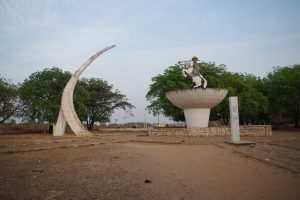
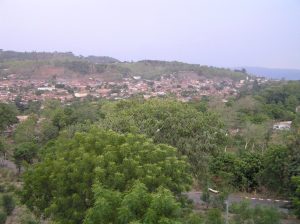
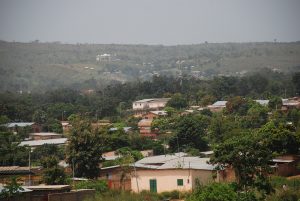
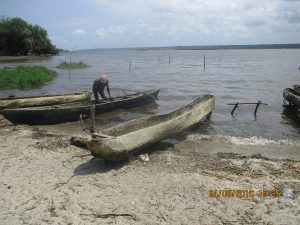
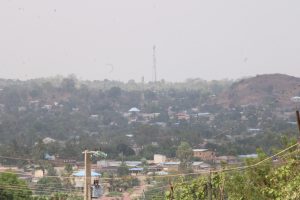
In the contemporary landscape of travel in West Africa, traveler expectations have profoundly shifted toward a search for regenerative experiences that respect natural ecosystems. At the crossroads of environmental preservation and ancestral beliefs, ecotourism and sacred culture in Benin stands out as a unique tourism development model worldwide. For naturalists, anthropologists, and conscious travelers, understanding how spirituality protects biodiversity is an essential key to grasping the essence of Beninese territory in 2026. Through this holistic guide, we invite you to explore dense forests, stilt cities, and northern savannas, where respect for nature deities has dictated the conservation of fauna and flora for centuries.
1. The Conceptual Foundations of Ecotourism and Sacred Culture in Benin
The fundamental principle uniting ecotourism and sacred culture in Benin relies on a major anthropological reality: here, nature is the very temple of the sacred. In the Beninese cosmogony, trees, rivers, and animals are not mere exploitable resources, but the physical envelopes of complex deities. This spiritual perception fosters strict community taboos and rules that prohibit hunting, fishing, or deforestation in specific areas. Developing ecotourism and sacred culture in Benin therefore means highlighting these natural sanctuaries where the piety of local populations has transformed over the centuries into a highly effective ecological shield.
2. Southern Sacred Forests: The Green Guardians of Biodiversity
The first line of implementation for this synergy is found in the country’s southern departments. By embarking on sustainable tourism circuits, travelers gain access to unique forest relics, such as the famous Kpasse sacred forest in Ouidah. Here, ecotourism and sacred culture in Benin manifests through the presence of giant centennial trees, like the sacred iroko, at the base of which initiation rituals linked to Vodoun in Benin take place. These islands of greenery, protected by a respectful fear of the deities, harbor rare medicinal plant species and endemic avian fauna that would have vanished without this spiritual sanctification.
3. The Stilt City of Ganvie: Harmony Between Water and Humanity
For travelers seeking striking aquatic landscapes, ecotourism and sacred culture in Benin takes on its full dimension in the heart of Ganvie, the “Venice of Africa.” Built entirely on stilts in the middle of Lake Nokoué, this historical city is a perfect example of ecological adaptation. Traditional fishing techniques, known as Acadjas (branch parks), are governed by aquatic deities like Tohossou. The recent development of solar-powered transport and bio-sourced waste management infrastructures helps preserve this fragile ecosystem while offering visitors an authentic immersion into the daily lives of the Toffinou communities.
4. The Sacred Hills of Dassa-Zoume and Idaasha Heritage
Regarding topography, ecotourism and sacred culture in Benin is spectacularly illustrated in the region of the forty hills of Dassa-Zoume. These imposing rock formations are not simple hiking spots; they constitute the historical refuge of the Idaasha people and house royal altars hidden in secret caves. Local guides, trained in ethical tourism, accompany hikers on steep trails while transmitting the founding myths tied to these mountains. This approach ensures respect for prayer zones while generating direct economic spillovers for the surrounding villages.
5. The Challenge of Demographic Pressure and Sanctuary Degradation
There is a major environmental and sociological challenge in Benin: urban encroachment and the loss of traditional values among younger generations, which threaten the integrity of sacred spaces. Poor management of this transition could destroy this invaluable natural heritage. This is why national ecotourism associations collaborate actively with the International Union for Conservation of Nature (IUCN) to scientifically map sacred forests and secure community biosphere reserve statuses, combining civil law and traditional law for enhanced protection.
6. The Pendjari Biosphere Reserve: The Faunal Sanctuary of the North
For lovers of wide-open spaces and eco-responsible safaris, ecotourism and sacred culture in Benin finds its northern climax in the Pendjari National Park. This West African gem, managed in an exemplary manner, houses the last major West African lions, elephants, and cheetahs. The park’s management fully integrates local communities, notably by respecting sacred sites located within the reserve’s boundaries. The impact of this sanctuary is regularly praised by UNESCO, which lists Pendjari as a zone of global importance for biodiversity conservation.
7. Green Lodging Performance and Spillover for Communities
The professional structuring around ecotourism and sacred culture in Benin is profoundly transforming tourism lodging models across the country. We are witnessing the rise of ecolodges built with local materials, using solar energy and respecting the traditional architecture of the regions crossed, such as the Tata Somba structures in the north. Before breaking ground on these projects, developers commit to allocating a portion of profits to community projects (water access, education). Fewer heavy concrete structures translate into greater respect for landscapes and a harmonious integration of travelers within host communities.
8. The Algorithmic Impact of Sustainability on Destination SEO
The impact of producing highly specialized content regarding ecotourism and sacred culture in Benin on your website’s organic visibility is direct and quantifiable. Search engine algorithms favor content addressing sustainable development and ethical tourism. A premium editorial strategy based on ecotourism and sacred culture in Benin positions your platform on high-value eco-conscious search queries. By providing precise descriptions of ecosystems and cultural protocols, you significantly enhance your page indexation and overall organic SEO score.
Conclusion: Experience a Journey of Spiritual and Natural Reconnection
In conclusion, ecotourism and sacred culture in Benin is not just a sustainable travel trend; it is an invitation to rethink our relationship with the living world by drawing inspiration from the wisdom of Beninese traditions. It serves as the invisible engine of any journey that seeks to leave a positive footprint on the earth and in human hearts. On our tourism platform, our travel planners design tailor-made eco-responsible itineraries to let you experience the full power of this symbiosis and propel your vision of travel to memorable horizons.