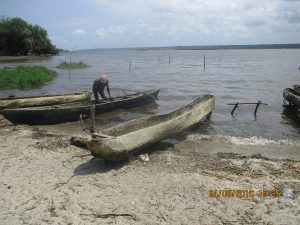
In the global landscape of extraordinary travel destinations in 2026, water-adapted ways of life generate intense interest among ethnology enthusiasts and responsible travelers. At the heart of this exceptional aquatic ecosystem, the network of lake villages and Ganvie in Benin stands as one of the most fascinating social and architectural achievements in West Africa. Built in the middle of Lake Nokoué, Ganvie is the continent’s largest stilt village, a true historical sanctuary where daily life unfolds entirely on the water. For travelers seeking wonder and cultural immersion, understanding the origins, economy, and traditions of these waterborne communities is an essential milestone. Through this comprehensive guide, step aboard a traditional wooden canoe to explore Benin’s aquatic world.
1. Historical Foundations of Lake Villages and Ganvie in Benin
The founding principle behind the lake villages and Ganvie in Benin dates back to the 18th century, during the era of tribal conflicts and the slave trade. Ancestors of the Tofinu community sought refuge in the marshes of Lake Nokoué to evade raiding parties from the Kingdom of Danxome, whose religious beliefs forbade warriors from crossing open water. The name Ganvie translates to “we are saved.” Discovering the lake villages and Ganvie in Benin means paying tribute to the ingenuity of a people who transformed geographical constraints into a secure, enduring home.
2. Stilt Architecture and Unique Spatial Organization
The most striking element of the lake villages and Ganvie in Benin is its aquatic urbanism. Houses are built upon stilts made of rot-resistant ebony or bamboo wood, topped with straw or wooden walls and roofed with thatch or corrugated sheet metal. The village features no dry-land streets: traffic routes are water channels where canoes replace motor vehicles. Community spaces like the floating market, schools, churches, and mosques also rest on wooden pilings or small artificial islands built up from layers of plant debris and mollusk shells.
3. Traditional Fishing Methods and Acadjas
Economically and environmentally, the lake villages and Ganvie in Benin rely on time-honored fishing expertise. The signature technique of Lake Nokoué is the Acadja, an artificial fish park crafted from submerged tree branches. These structures create rich ecosystems that encourage fish breeding and growth by offering food and shelter. Similar to conservation strategies observed in sustainable tourism circuits in Benin, this form of traditional aquaculture sustains thousands of families while maintaining a fragile ecological balance.
4. The Floating Market and Daily Life on the Water
The vibrant heart of the lake villages and Ganvie in Benin pulses to the rhythm of its floating market. Every morning, dozens of women traders known as Menonvi gather in wooden canoes laden with fresh fruit, vegetables, smoked fish, and spices. Transactions take place directly between boats in a colorful, quiet choreography. This lively spectacle reflects the culinary bounty highlighted in our guide to the traditional gastronomy of Benin, where fresh fish from Lake Nokoué takes center stage.
5. Spiritual Dimensions and Water Deity Worship
Much like the traditions documented in our guide to sacred culture in Benin, life across the lake villages and Ganvie in Benin is deeply infused with Vodoun spirituality. The lagoon and lake are considered living entities guarded by the deity Mami Wata and other water spirits. Regular ceremonies and offerings are performed by religious leaders to appease the waters, ensure bountiful catches, and safeguard canoeists against storms.
6. Waste Management Challenges and Eco-responsible Tourism
A critical environmental and public health challenge threatens the future of the lake villages and Ganvie in Benin: plastic pollution, wastewater treatment, and population pressure. In response, local craft initiatives, supported by the digitalization of art and crafts in Benin and the global outreach of the Echostar Project, are fostering solar-powered boats and selective waste management programs to preserve Lake Nokoué’s water quality.
7. Canoe Excursion Experiences and Overnight Water Stays
For total immersion in the world of the lake villages and Ganvie in Benin, gliding through the quiet canals at dawn or dusk offers moments of serene beauty. Several eco-lodges built on stilts now offer overnight stays above the water, allowing guests to wake to birdsong and the gentle splash of paddles. This immersive accommodation supports local artisans and delivers direct financial benefits to village residents.
8. Semantic Optimization and SEO Value of the African Venice
Integrating the focus keyword lake villages and Ganvie in Benin into your content strategy unlocks significant organic traffic. Ganvie ranks among the most queried search terms related to West African travel. Publishing well-researched content, combined with practical advice for respectful visiting and high-resolution imagery, captures international traveler interest while elevating your tourism platform’s domain authority.
Conclusion: Glide Across the Sacred Waters of Ganvie
In conclusion, the network of lake villages and Ganvie in Benin remains a living jewel of human heritage, showcasing resilience and harmony between humanity and water. Navigating these waterways by canoe is entering a poetic realm where time stands still. On our tourism platform, we offer eco-responsible tours led by local native canoe guides, giving you an authentic window into the floating city’s best-kept secrets.