In the global landscape of cultural tourism and festival travel in 2026, taking part in authentic celebrations stands out as one of the most sought-after experiences for lovers of heritage and living traditions. At the heart of vibrant West Africa, traditional festivals and events in Benin make up a spectacularly rich annual calendar marked by religious rituals, royal parades, and contemporary artistic gatherings. From the National Vodoun Festival in Ouidah to the majestic Gaani of Nikki, along with the masked appearances of the Guelede and Egungun, every gathering is a deep communion between the visible world and ancestral forces. Through this comprehensive guide, explore the diversity and fervor of the grand celebrations that define the beating heart of the Beninese nation.
1. Social and Spiritual Foundations of Traditional Festivals and Events in Benin
The fundamental principle governing traditional festivals and events in Benin rests on strengthening community bonds, intergenerational transmission, and honoring ancestral lineages. In Beninese thought, festivals are far more than commercial events; they represent sacred moments when the community gathers to purify the land, give thanks to the deities for bountiful harvests, and pray for peace. Attending traditional festivals and events in Benin offers an immersive experience where communal devotion reveals itself through incantations, libations, and contagious collective energy.
2. The International Vodoun Festival (January 10th): The Great Ouidah Gathering
A flagship celebration among traditional festivals and events in Benin, the National Vodoun Festival celebrated every January 10th draws thousands of pilgrims, dignitaries, and global travelers to the shores of Benin. Centered primarily along the beaches of Ouidah and the historic capital of Porto-Novo, this day pays tribute to ancestral Vodoun traditions. High priests, priestesses, and devotees of deities like Mami Wata, Heviosso, Sakpata, and Gou assemble for ecstatic dances, ritual offerings, and prayers for global peace.
3. The Gaani Festival of Nikki: Equestrian Splendor of the Bariba Kingdom
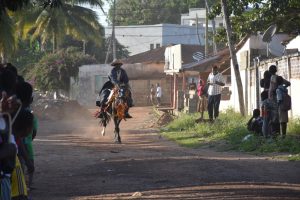
In the country’s northern region, near the rugged landscapes of the Atakora chain and mountains in Benin, unfolds one of the most breathtaking traditional festivals and events in Benin: the Gaani. Celebrated in the royal city of Nikki, this annual festival of Bariba and Fulani royalty honors the allegiance of provincial chiefs to the Sinaboko (King of Nikki). The crown jewel of the event is the famous equestrian parade, where hundreds of horsemen in elaborate ceremonial attire display thrilling horsemanship during high-speed charges called the fantasia, accompanied by the resounding notes of royal Kakaki trumpets.
4. Appearances of Sacred Masquerades: Guelede, Egungun, and Zangbeto
One of the most captivating aspects of traditional festivals and events in Benin is the public appearance of sacred masquerades. The Guelede, recognized as UNESCO Intangible Cultural Heritage, honors the spiritual power of mothers and women through intricately carved wooden masks and refined satirical dances. The Egungun represents ancestral spirits returning to visit the living under vibrant, layered cloth costumes. Meanwhile, the Zangbeto (guardian of the night) spins like a giant hay-built top to purify villages and ward off negative energies.
5. Synergy with Fashion, Gastronomy, and Local Music
Traditional festivals and events in Benin serve as a premier showcase for artisanal craft and cultural lifestyle. During these grand assemblies, attendees wear their finest outfits woven from traditional textiles and Kanvo of Benin. Historic streets and public squares fill with the sound of traditional music and rhythms of Benin, while families prepare time-honored dishes from the traditional gastronomy of Benin to welcome guests with warmth.
6. Digital Ticketing and Promotion via the Echostar Project
A vital logistical and cultural challenge in maximizing the impact of traditional festivals and events in Benin involves publishing the event calendar internationally and facilitating eco-friendly bookings. Supported by the digitalization of art and crafts in Benin and promoted globally through the Echostar Project, international travelers can now access real-time festival dates, purchase cultural passes directly, and support local artisans who craft ceremonial items and official souvenirs.
7. Visitor Ethics, Etiquette, and Practical Recommendations
Attending traditional festivals and events in Benin requires adherence to core ethical and spiritual guidelines. Visitors are strongly advised to travel with a certified guide who can explain sacred protocols: seeking permission from dignitaries before taking photos during sacred rituals, wearing modest attire, and maintaining respect around masquerades and shrines. This responsible behavior reflects the principles outlined in our guide to sustainable tourism circuits in Benin.
8. Semantic Optimization and SEO Power of Event-Based Tourism
Integrating the focus keyword traditional festivals and events in Benin into your editorial strategy helps capture high-intent search traffic ahead of major cultural seasons. Publishing practical travel guides, updated calendars, royal festival accounts, and thematic photo essays establishes your platform as a definitive authority on Beninese culture and tourism.
Conclusion: Feel the Pulse of Benin’s Grand Celebrations
In conclusion, traditional festivals and events in Benin offer a colorful spectacle and a vibrant dive into West Africa’s living memory. Experiencing one of these festivals means touching the authentic heart of a culture that honors its past to shape a proud future. On our tourism platform, we help you plan seamless event-focused itineraries so you can experience Benin’s finest festivals in comfort and respect.