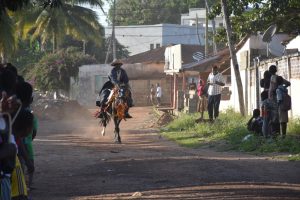
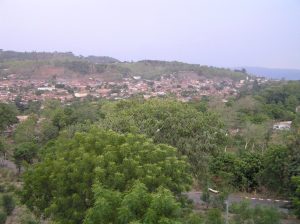
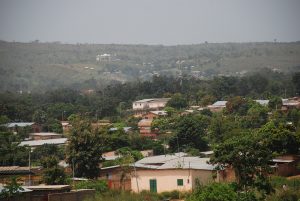
Ouidah is a coastal city in Benin, located 42 kilometers west of Cotonou. Its name resonates with a deeply poignant history: that of the Slave Route. More than just a tourist destination, Ouidah offers a moving and enlightening journey—a pilgrimage of remembrance along the traces of a past that shaped the world. Let yourself be guided through this memorial site, where every step is a tribute, and every monument a lesson.
The City of Ouidah: A Crossroads of History
Once a major city of the powerful Kingdom of Dahomey and one of the main slave ports on the Gulf of Guinea, Ouidah embodies a crucial chapter in global history. Known as “the City of Kpassè,” this historic town was the point of forced embarkation for millions of Africans to the Americas. Today, Ouidah strives to keep the memory of these tragic events alive while showcasing its unique cultural and spiritual richness.
The Slave Route: A Path of Remembrance
The path of the Slave Route in Ouidah is marked by monuments and moving sites. Each stop reveals a piece of the unspeakable suffering endured by the captives:
- Chacha Square: The starting point of the route, where slave markets took place. It marked the beginning of the captives’ ordeal.
- The Tree of Forgetfulness (Djêkê): A site where male and female captives were forced to circle a tree, in the cruel hope of making them forget their identity and roots. A powerful symbol of dehumanization.
- The House of Slaves (Ouidah History Museum): Once a Portuguese fort, now a museum displaying artifacts and documents on the slave trade. A place of intense learning and reflection.
- Zoungbodji (The Tomb of the Unknown Slaves): A mass grave where those who died under inhumane conditions before embarkation were laid to rest. A deeply moving memorial.
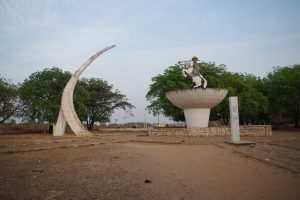
- The Door of No Return: The final contact with African soil, this monumental arch on the beach of Ouidah symbolizes the point of no return for millions of deported individuals. A powerful symbol of pain—but also of hope for the survivors and their descendants.
Walking the Slave Route is not only to feel the pain of the past, but also to honor the resilience of the human spirit.
The Cultural Wealth of Ouidah
Ouidah is not only about the past. The city is also a vibrant cultural and spiritual hub, considered the cradle of Vodoun. Here, you can also explore:
- The Temple of Pythons: A sacred place where pythons, regarded as divine, are venerated. A unique and fascinating experience.
- The Sacred Forest of Kpassè: A mystical space home to sacred trees and sculptures representing Vodoun deities—a place ideal for meditation.
- Local Crafts: Discover Beninese crafts, rich in color and symbolism, and take home authentic souvenirs.
Ouidah is more than a destination; it is an invitation to remember, to understand, and to honor. By walking the Slave Route, you pay tribute to a past that must never be forgotten, while discovering the richness and vitality of an ancestral African culture. A journey that touches the soul and leaves a lasting impression.