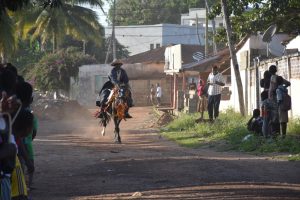
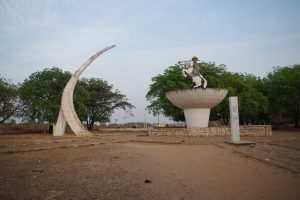
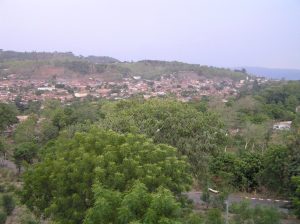
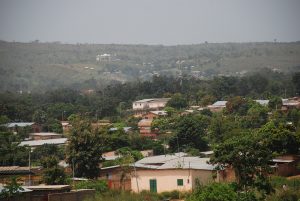
A town steeped in history and the cradle of Vodun, Ouidah and the Slave Route in Benin is one of West Africa’s most moving and iconic destinations. From the colonial town down to the beach, a 4-kilometer path retraces the route once walked by thousands of captives toward the slave ships. Through this comprehensive guide, discover a universal site of memory blending spirituality, heritage, and remembrance.
1. The Slave Route, a Path of Memory
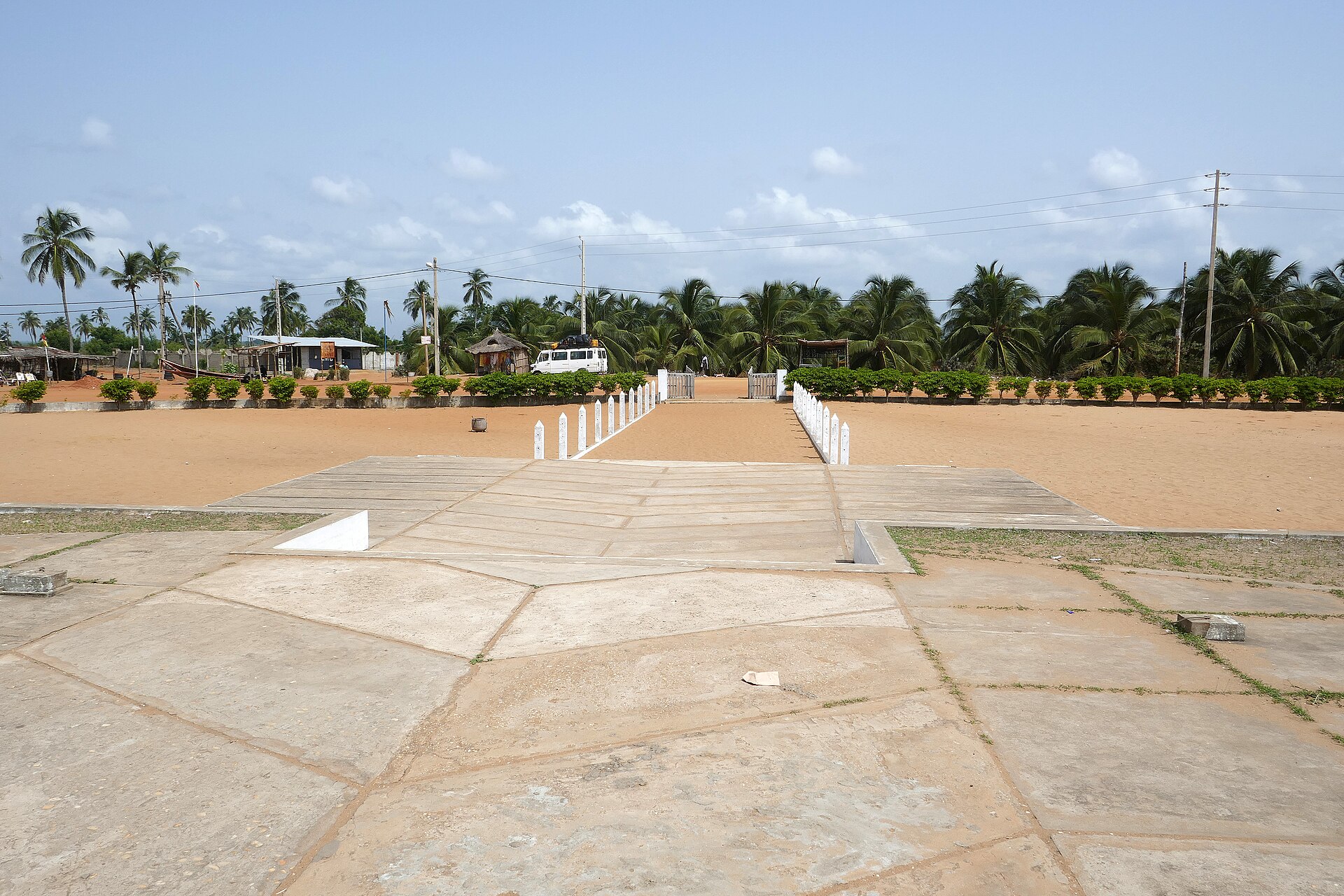
The heart of Ouidah and the Slave Route in Benin is this monument-lined path that once linked the auction square to the ocean. Each stage — the Tree of Forgetfulness, the Zomai hut, the Tree of Return — recalls the tragedy of the transatlantic slave trade and invites quiet reflection.
2. The Door of No Return
Facing the Atlantic stands the Door of No Return, a monumental memorial erected with UNESCO. Symbolizing the captives’ last glance at their homeland, it is today the climax of any visit to Ouidah and the Slave Route in Benin and a pilgrimage site for the African diaspora.
3. The Python Temple and Vodun Worship
Ouidah is the spiritual capital of Vodun. The famous Python Temple, home to sacred snakes, reflects the vitality of this religion. Visiting Ouidah and the Slave Route in Benin also means understanding a living faith, celebrated every January 10 during the great national Vodun festival.
4. The Basilica and Colonial Heritage
Across from the Python Temple stands the Basilica of the Immaculate Conception, a testament to the town’s religious syncretism. The former merchants’ houses and European forts complete the architectural richness of Ouidah and the Slave Route in Benin.
5. The Ouidah History Museum
Housed in the former Portuguese fort, the museum retraces the town’s history, the slave trade, and the ties between Benin and the Americas. It offers essential context for grasping the full significance of Ouidah and the Slave Route in Benin.
6. The Sacred Forest of Kpasse
A short walk from the center, the Sacred Forest of Kpasse shelters Vodun statues and revered trees. This green haven extends the spiritual dimension of Ouidah and the Slave Route in Benin and recalls the deep bond between nature and the sacred.
7. Practical Tips for Your Visit
To explore Ouidah and the Slave Route in Benin, choose a local guide who brings the stories to life. Allow half a day to a full day. The town pairs easily with Cotonou or Ganvie on a memory-and-culture circuit in Benin.
Conclusion: A Universal Site of Memory
In conclusion, Ouidah and the Slave Route in Benin is far more than a tourist destination: it is a moving pilgrimage into the history of humanity. Walking to the Door of No Return leaves an indelible mark. On our travel platform, we help you experience a respectful and authentic discovery of this major site of memory.
Want to visit Ouidah? Plan your memorial tour with AWA Tours, and learn more about Ouidah.